Holistic Healing with Traditional Chinese Medicine
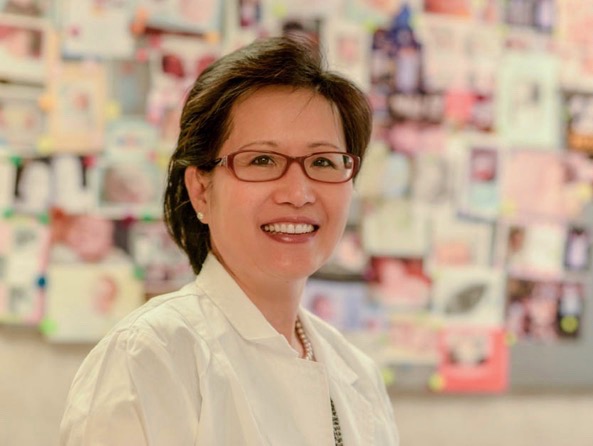
 Acupuncture and Chinese Medicine Center has made Traditional Chinese Medicine or TCM available to the community of Minnesota through services, education and treatments. Because of this, patients achieve their optimal health and well-being. Dr. Eileen Zhuo is the founder and lead licensed acupuncturist at the Acupuncture and Chinese Medicine Center.
In 1999, Dr. Eileen Zhuo opened the doors of the Acupuncture and Chinese Medicine Center in Edina, Minnesota. It was with the vision of providing safe, effective, and natural alternatives in healthcare. At the Acupuncture and Chinese Medicine Center, we strive to make a difference in each of our patients’ lives so that they can start a new path toward healing themselves…naturally.
Transforming Lives with Traditional Chinese Medicine
In China, Dr. Zhuo studied and practiced both Western medicine and Traditional Chinese Medicine (TCM). With over 20 years of experience as a TCM doctor and licensed acupuncturist in the United States, she also holds a Master’s Degree in Nutrition Sciences. Our goal is to offer safe, professional, and reliable care to assist individuals with pain management, digestive issues, menstrual problems, infertility, allergies, anxiety, and overall wellness. Visit our resources page to learn more about TCM.
Chinese herbal medicine and food nutrition are a safe, effective, and drug free way to become well and stay healthy, naturally. They are an important part of the TCM therapeutic method. Based on individual needs, we prescribe a personalized herbal formula, supplements and food nutrition plan to enhance your healing progress.
The Acupuncture and Chinese Medicine Center offers Traditional Chinese Medicine services to the Minneapolis and St. Paul communities. Experience thorough consultations and educational sessions. As a result of this, a safe and soothing acupuncture treatment in a comfortable and private treatment room will be offered. Our therapies also include Chinese Herb Medicine as well as dietary and lifestyle suggestions. To get started, please call us TODAY at 952-820-0877. Feel healthier soon.
Personalized Healing and Wellness with Acupuncture
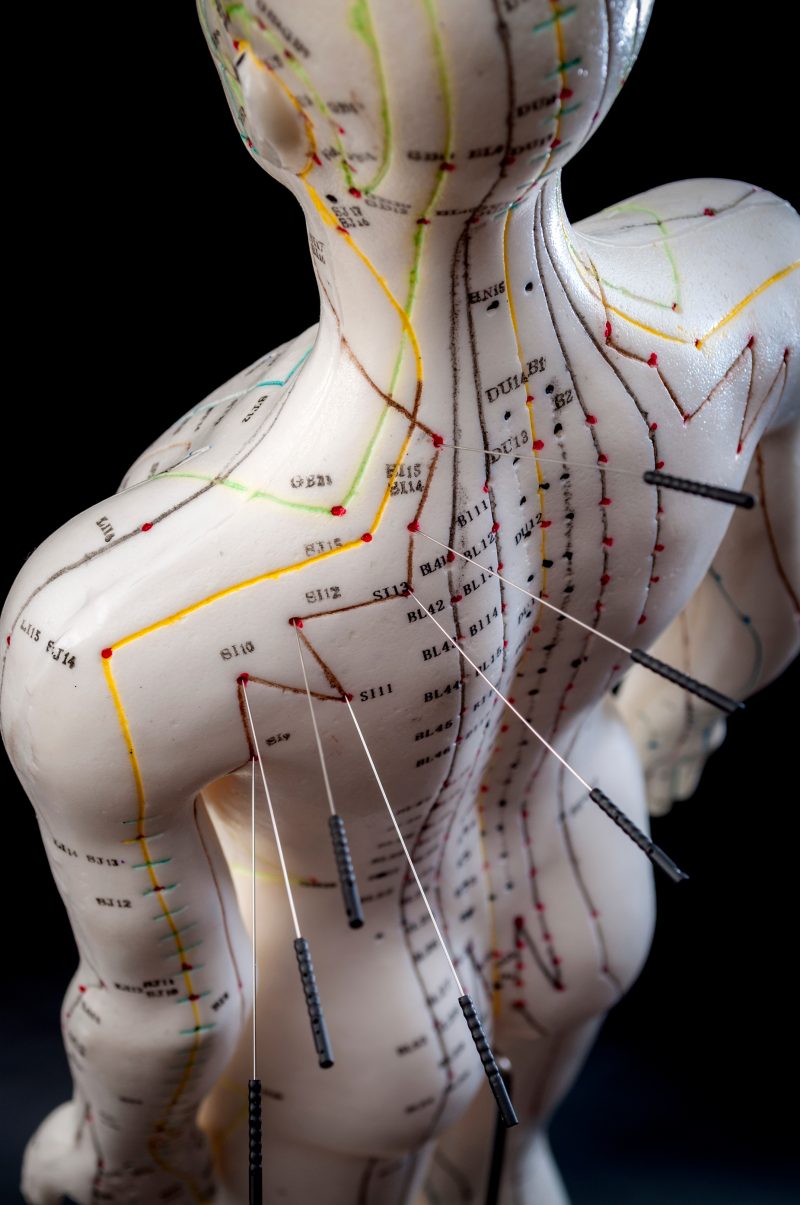
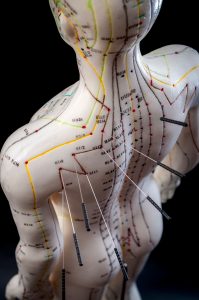 The National Institute of Health (NIH) and the World Health Organization (WHO) recognize acupuncture as effective in treating a wide variety of medical problems. At the Acupuncture and Chinese Medicine Center, Dr. Eileen Zhuo believes that combining knowledge with extensive experience and hands-on practice can significantly impact your recovery and restoration of health.
Always expect to receive the personal attention you and your health deserve. Passion and care can make the difference in one’s recovery and restoration of health. We treat a wide variety of conditions and symptoms, including pain, stress, chronic fatigue, allergies, cold and flu prevention, weight control, and wellness maintenance. We are here to help you along the treatment path toward optimal health and well-being, both physically, emotionally, and spiritually.